Instead she walked to the machine, the snow making quiet footsteps of her own, and held the marble up to the cracked glass. The vending machine blinked like an old friend, and for a moment the two of them—grown and grown-old together—understood the obligation embedded in the city's strange generosity. Mara pressed the marble into the coin slot, not because she needed another image of a life she already had, but because she wanted someone else to taste revelation in the right measure.
They called it Drip Lite because it was the last thing anyone expected to sparkle. It wasn't a person or a gadget—just an old soda vending machine bolted into the brick wall of an alley that smelled of rain and frying oil. Its chrome trim was pitted, the glass cashier had a spiderweb crack, and someone long ago had scrawled a heart in faded marker across the coin slot. Yet at midnight, under sodium streetlights, coins disappeared into its belly and the machine hummed like a bee that had learned a new secret. drip lite hot crack
Drip Lite didn't grant wishes; it amplified possibilities until something had to give. Mara watched a woman across from her fold a paper crane and the crease map told a history of choices. A kid tapped his shoes and the rhythm spelled out the city’s unspoken exit routes. The man with the briefcase wasn't reading emails but timelines—what he'd been, what he might yet be if he let go of one small habit. For twenty minutes the whole car was an aquarium of could-bes. For twenty minutes, Mara understood the precise algebra of people's lives: concessions, stubbornness, bravery in the form of tiny departures from routine. Instead she walked to the machine, the snow
After that, Drip Lite learned silence. It stopped handing out capsules like commodities and returned to being a singular kind of oracle that asked for requests in small, intimate ways. It would not be fed by shouts or by suitcases; it asked for the sound of someone singing softly to themselves, or the careful folding of a letter, or the planting of a seed in a stoop-side pot. People adapted. Midnight rituals cropped up by the vending machine—small acts of attention that felt like chores and magic at once. Someone left a teacup filled with rainwater and a note that read, in shaky block letters: "For later." A teenager with a chipped tooth played an old vinyl on a portable player beside the machine until it hummed along. A retired teacher read poems aloud until she had an audience of pigeons and one very attentive dog. They called it Drip Lite because it was
On a night thick with snow that made the city sound like a muffled record, Mara found a capsule under her doorstep, wrapped in the same foiled handwriting she had first seen. There was no note—only the marble, cool and glinting. She held it and realized she had become someone who knew how to steward small, dangerous gifts. She could have used it to press for one last, perfect future. She could have sold it, traded it, or thrown it away.
Mara's life, threaded by capsules, settled into a rhythm. She worked at a library during the day—shelving books like patient promises—and at night she wrote sentences that tried to be exact about surplus and lack. She used a capsule once to say the one thing she had never said aloud to her father: I'm done running. He answered her in a call that was brief and broken and then long and small, as if he were handing her a future in installments. The capsule didn't fix them; it made the first honest sentence possible, and sentences built the rest.
Years passed. The alley's mural grew and faded with seasons. Tourists came and left. People who thought they were immortal learned in small ways that a miracle's currency is attention, not ownership. The vending machine kept its secrets in the way certain living things keep warmth: private, polite, alive.
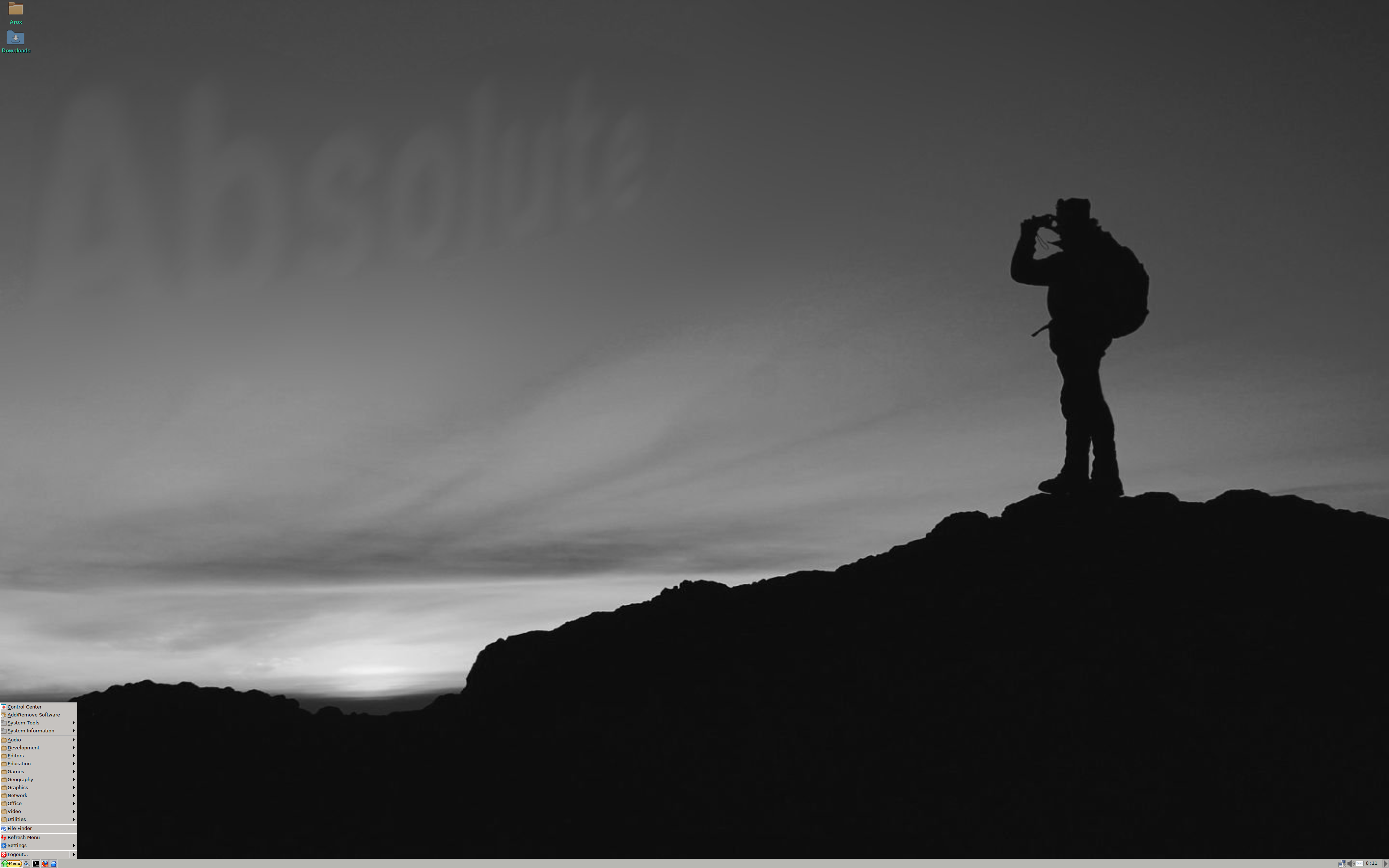
Absolute Linux will continue development under eXybit Technologies, built with the same approach and
structure we've used to develop RefreshOS. We're not here to reinvent what made Absolute great, we're here
to carry it forward.
Since 2007, Absolute has stood for being simple, pre-configured, and lightweight. Slackware made easy.
That core philosophy isn't changing. Absolute will always be free, open-source, built for ease of use,
and based on the Slackware foundation.
As of now, there is no set release date for the first eXybit-developed stable version of Absolute Linux. We're bringing Absolute into modern computing while keeping it minimal. The first step is to preserve what already exists, rebuild the underlying infrastructure, and create a canary version of the next major stable release.
You can still download the original versions of Absolute Linux by Paul Sherman on SourceForge.