Best Software to Convert MBOX File of All Email Client without Any Limitation
Note: Visit here to understand Mac OS Supported Tool's Feature
Perfect Software to Convert MBOX File with Complete Associated Attributes

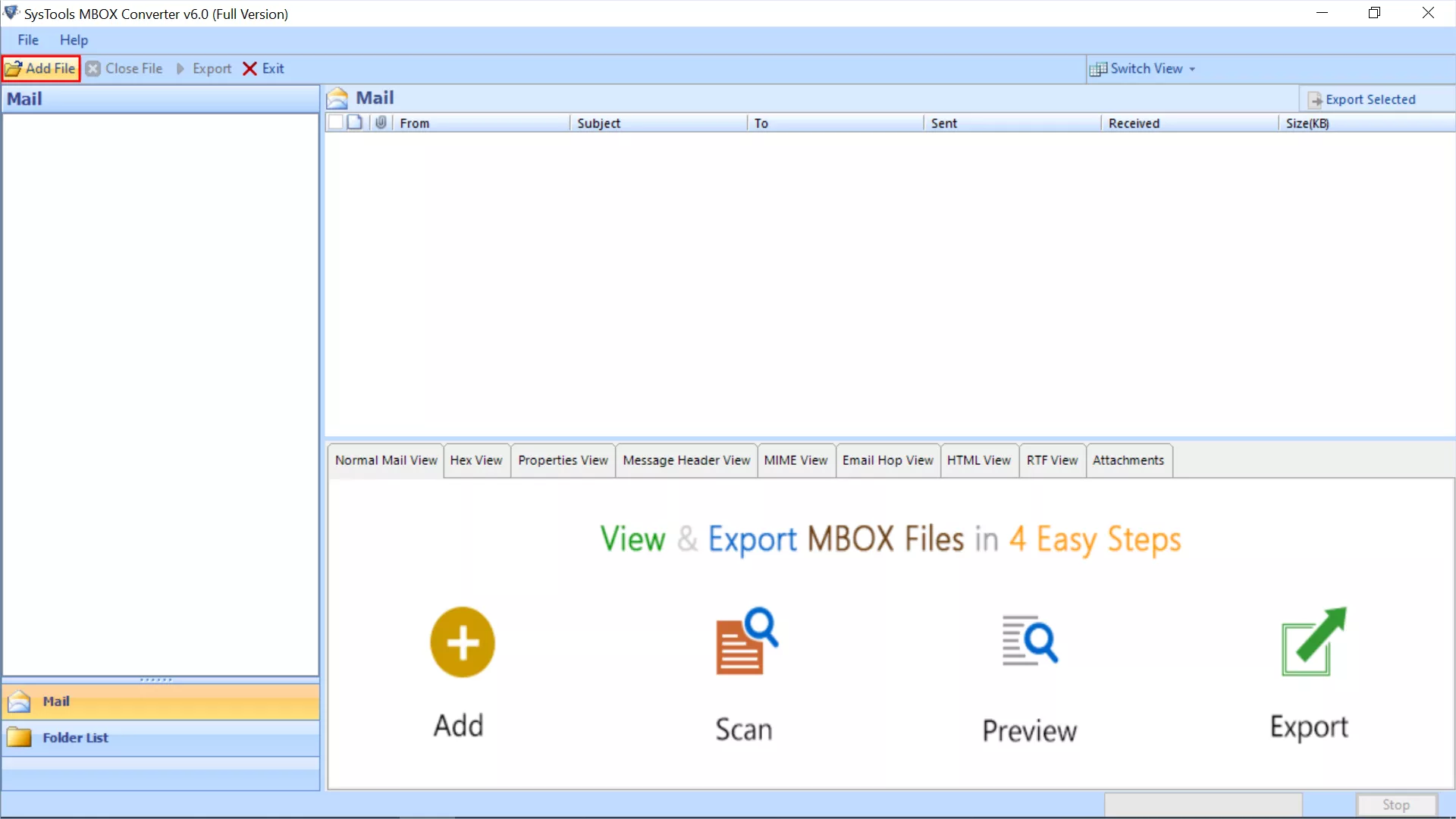
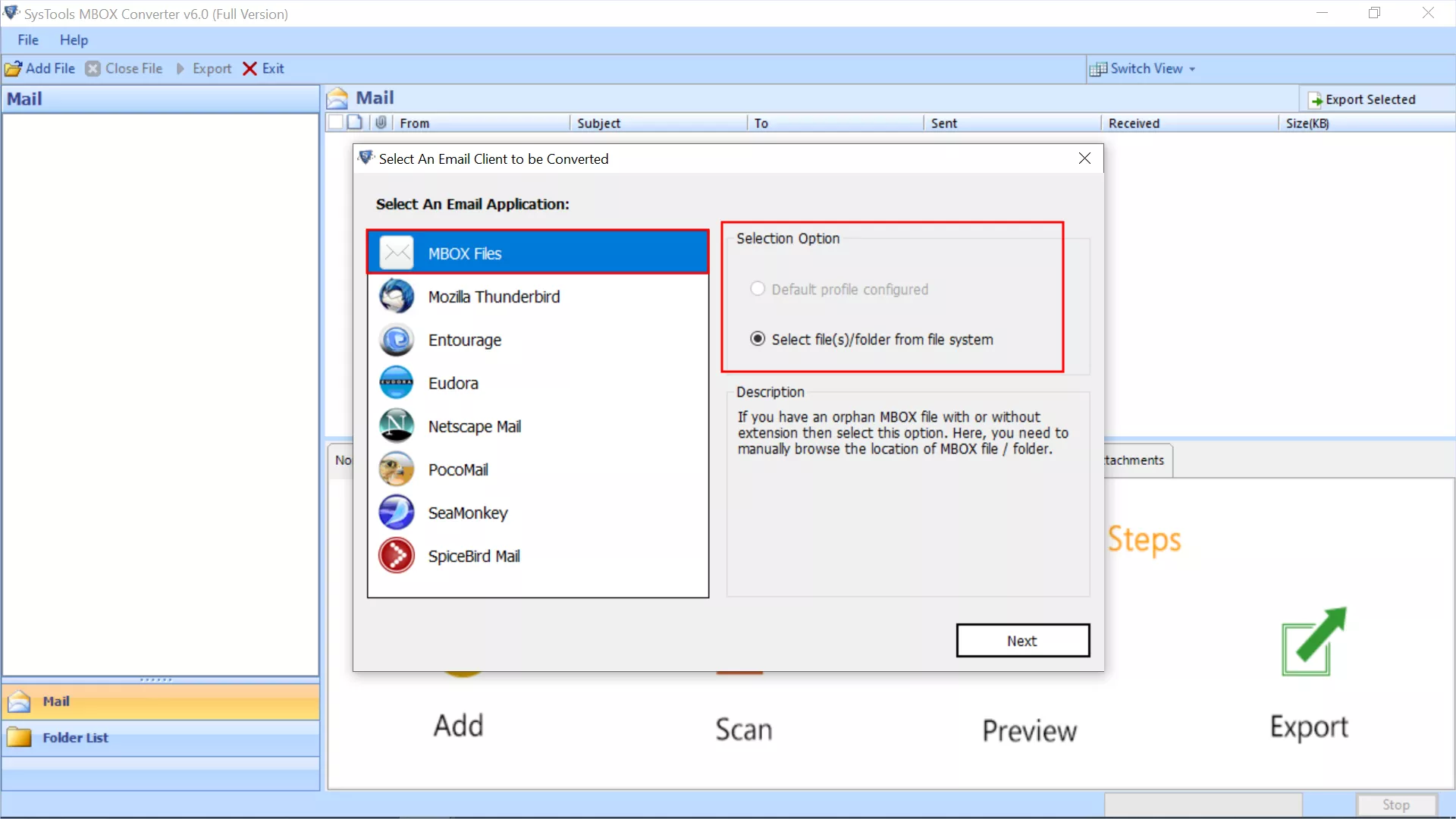
The MBOX converter supports all mail client MBOX file. Software UI lists all supported applications, user can choose one application at a time and add the database file into software panel. If user has .mbox (without extension MBOX file), .mbx, or .mbs file, then simply browse the file wothout selecting any email application.

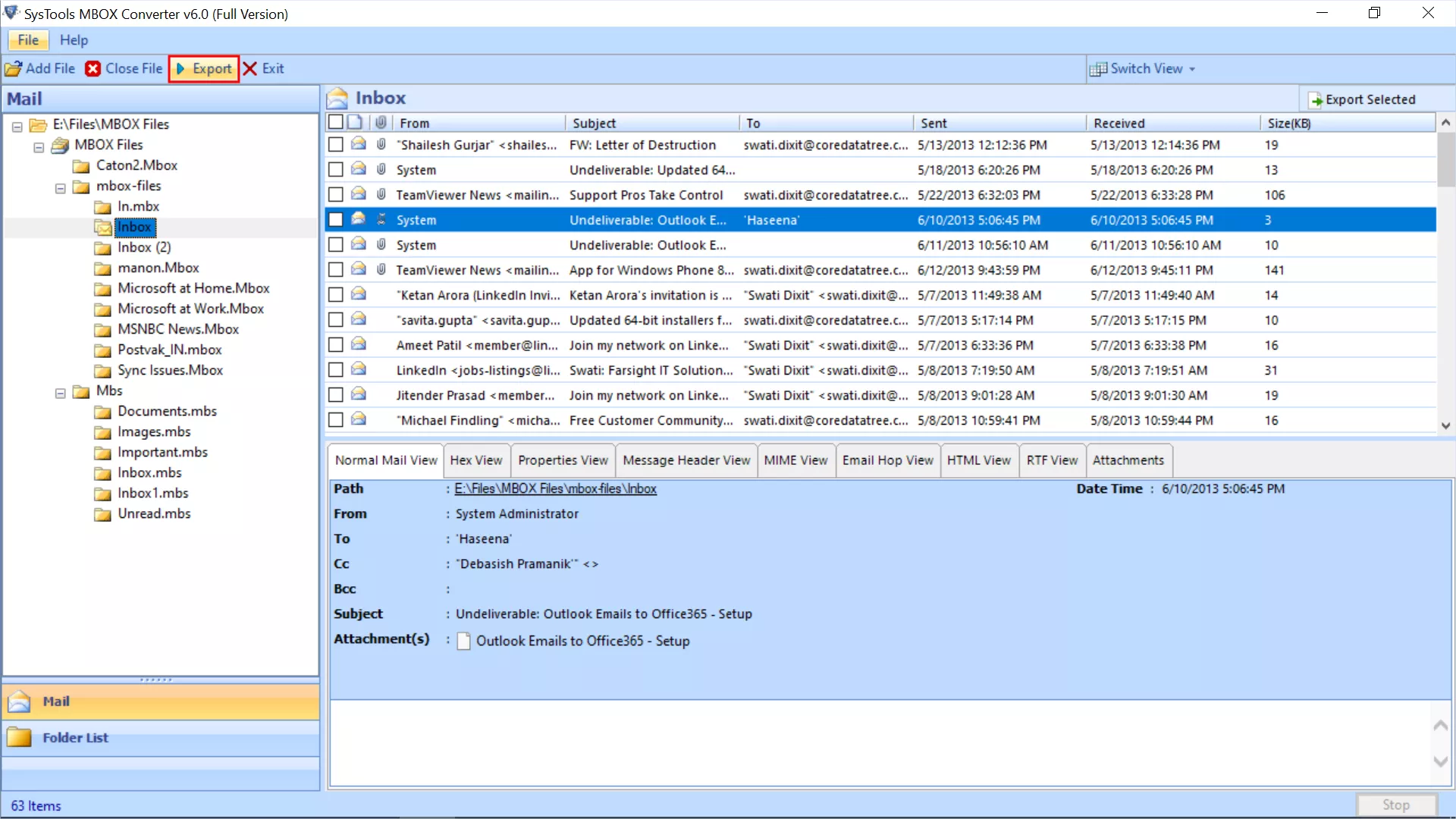
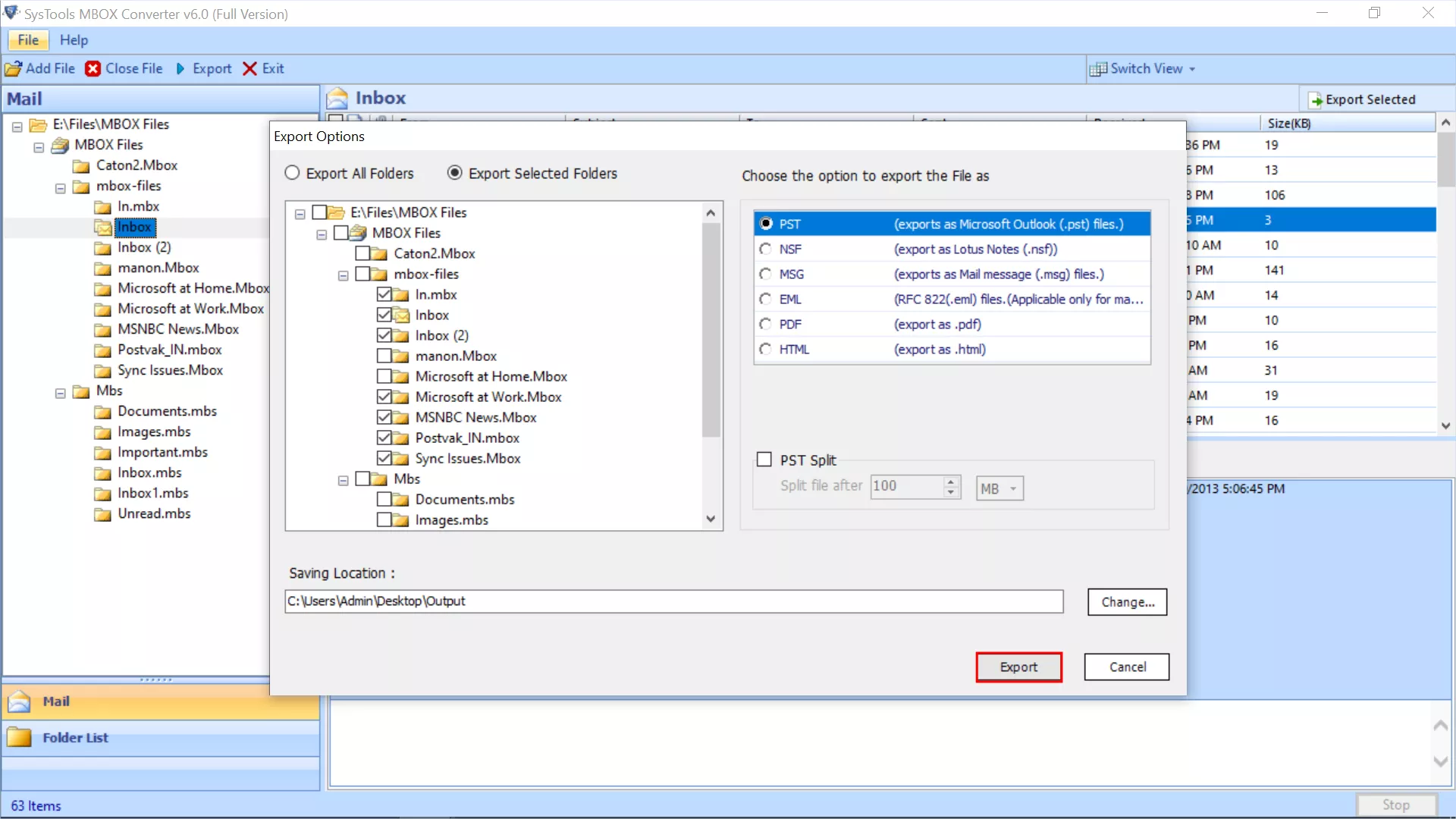
While designing this software, developer has ensured that the user can authenticate the data before starting the conversion process. For this, a preview function has been provided in this MBOX converter tool. With the help of this function, the user can view all the data in the software's UI. If the data is correct, the user can simply click on the Export button to start the MBOX conversion process.
The software provides 9 different view modes, which the user can utilize to analyze the MBOX file data in detail. At one time, the user can select a single mode to read the data.
Facial abuse, a form of emotional and psychological abuse, can have long-lasting effects on an individual's self-esteem, mental health, and overall well-being. In this blog post, we will delve into the concept of facial abuse, its effects on victims, and explore Mirella's story as a case study.
Mirella, a 25-year-old woman, had always been self-conscious about her facial features. She had a unique nose shape and had been teased about it since childhood. However, it wasn't until she entered a romantic relationship with her boyfriend that the facial abuse escalated.
Facial abuse is a serious issue that can have long-lasting effects on a person's mental health and self-esteem. Mirella's story highlights the importance of recognizing the signs of facial abuse and taking steps to break free from it. By seeking support, practicing self-care, challenging negative thoughts, and setting boundaries, individuals can overcome facial abuse and develop a positive self-image.
Her boyfriend would constantly criticize her facial features, calling her nose "crooked" and her eyes "small." He would often make jokes about her appearance, saying she looked like a "cartoon character." Mirella tried to brush off his comments, but they began to take a toll on her self-esteem.
Over time, Mirella started to believe that she was ugly and that her facial features were flawed. She began to withdraw from social interactions, afraid of being judged or ridiculed. She even started to consider plastic surgery to change her appearance.
Facial abuse refers to the act of criticizing, mocking, or belittling someone's facial features, often with the intention of humiliating or degrading them. This type of abuse can be verbal or non-verbal, and can be perpetrated by anyone, including romantic partners, family members, friends, or even strangers.

Screenshots
Working Video
Facial abuse, a form of emotional and psychological abuse, can have long-lasting effects on an individual's self-esteem, mental health, and overall well-being. In this blog post, we will delve into the concept of facial abuse, its effects on victims, and explore Mirella's story as a case study.
Mirella, a 25-year-old woman, had always been self-conscious about her facial features. She had a unique nose shape and had been teased about it since childhood. However, it wasn't until she entered a romantic relationship with her boyfriend that the facial abuse escalated. facial abuse mirella
Facial abuse is a serious issue that can have long-lasting effects on a person's mental health and self-esteem. Mirella's story highlights the importance of recognizing the signs of facial abuse and taking steps to break free from it. By seeking support, practicing self-care, challenging negative thoughts, and setting boundaries, individuals can overcome facial abuse and develop a positive self-image. Facial abuse, a form of emotional and psychological
Her boyfriend would constantly criticize her facial features, calling her nose "crooked" and her eyes "small." He would often make jokes about her appearance, saying she looked like a "cartoon character." Mirella tried to brush off his comments, but they began to take a toll on her self-esteem. She had a unique nose shape and had
Over time, Mirella started to believe that she was ugly and that her facial features were flawed. She began to withdraw from social interactions, afraid of being judged or ridiculed. She even started to consider plastic surgery to change her appearance.
Facial abuse refers to the act of criticizing, mocking, or belittling someone's facial features, often with the intention of humiliating or degrading them. This type of abuse can be verbal or non-verbal, and can be perpetrated by anyone, including romantic partners, family members, friends, or even strangers.

Trust