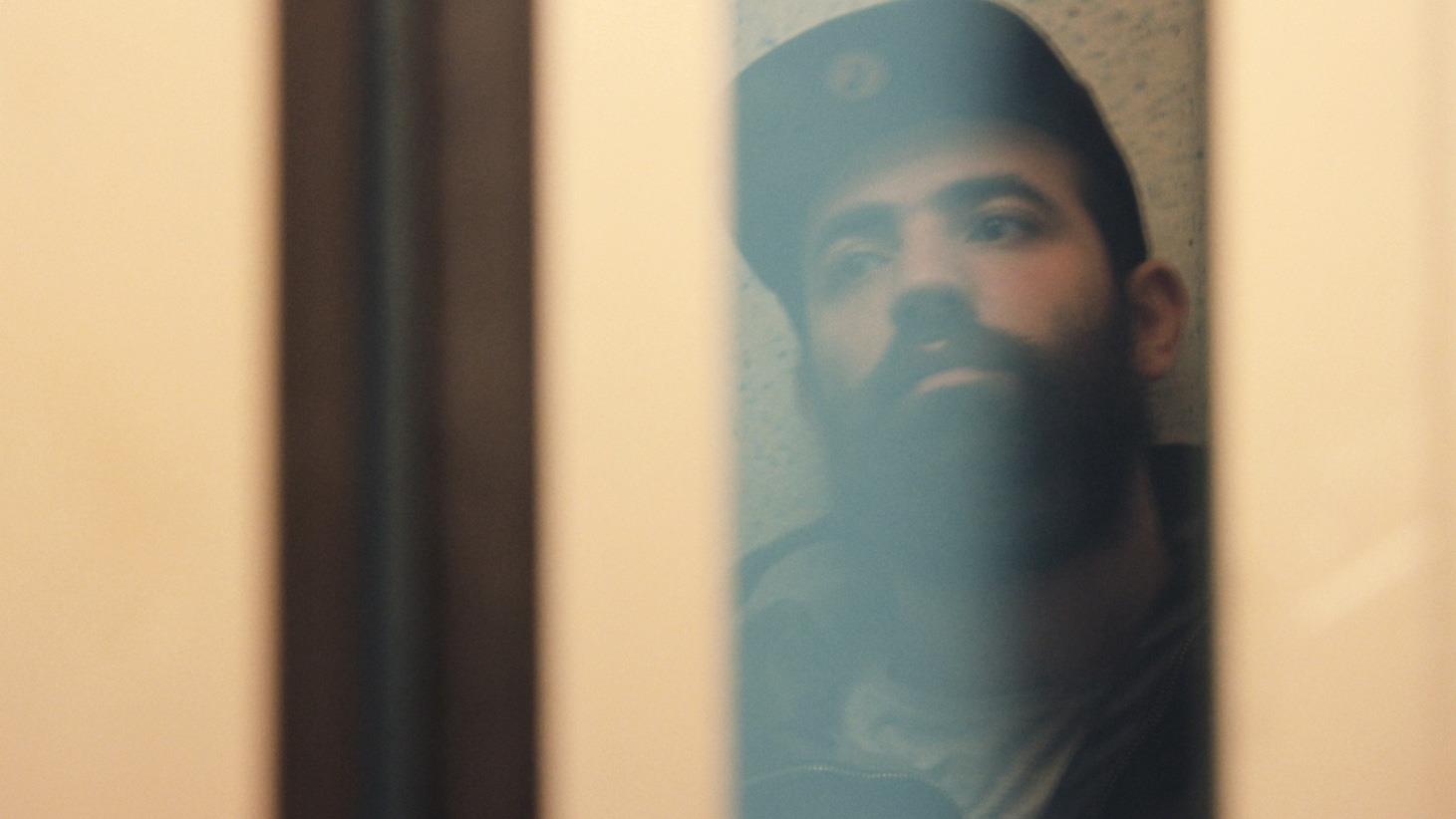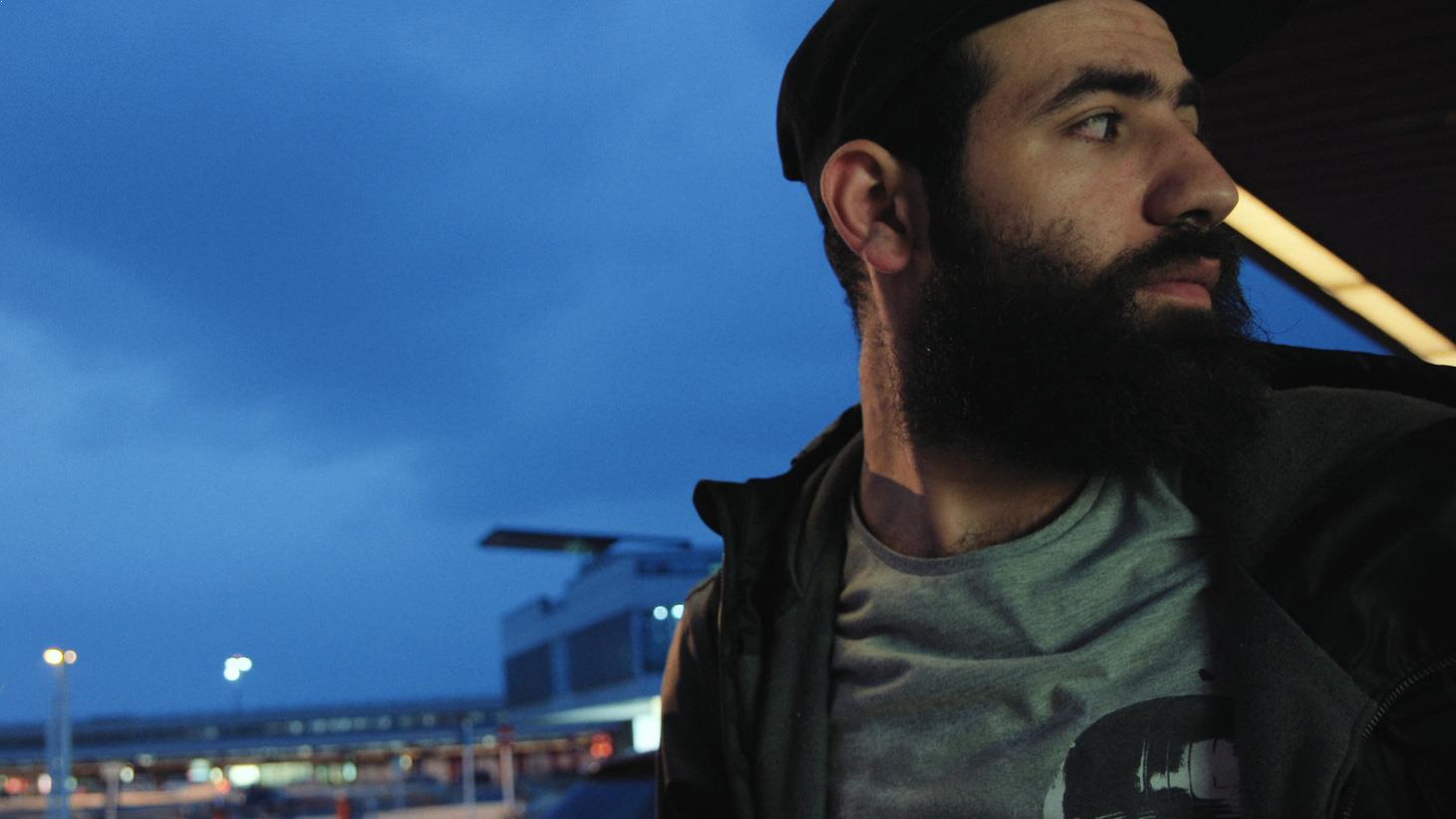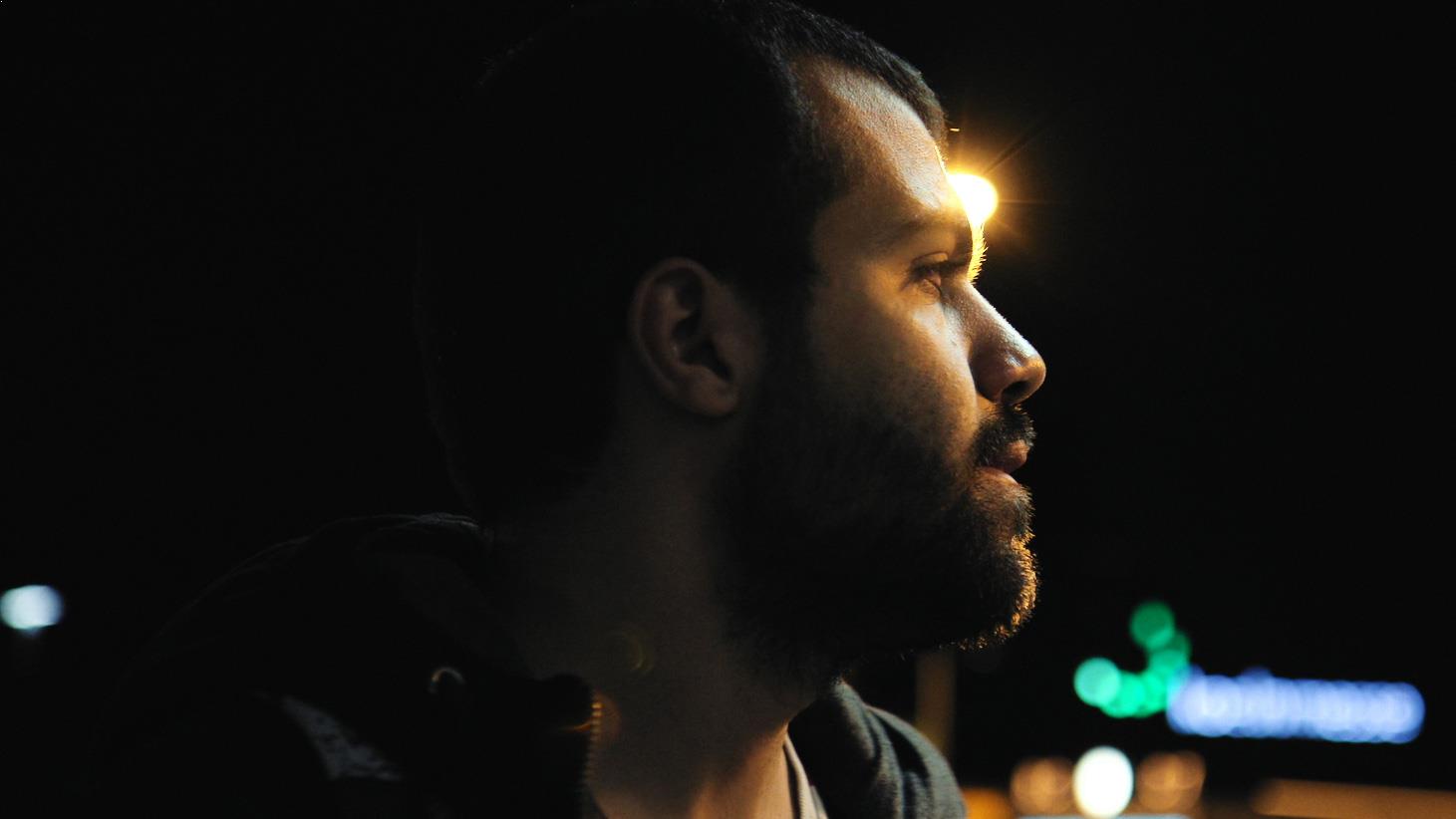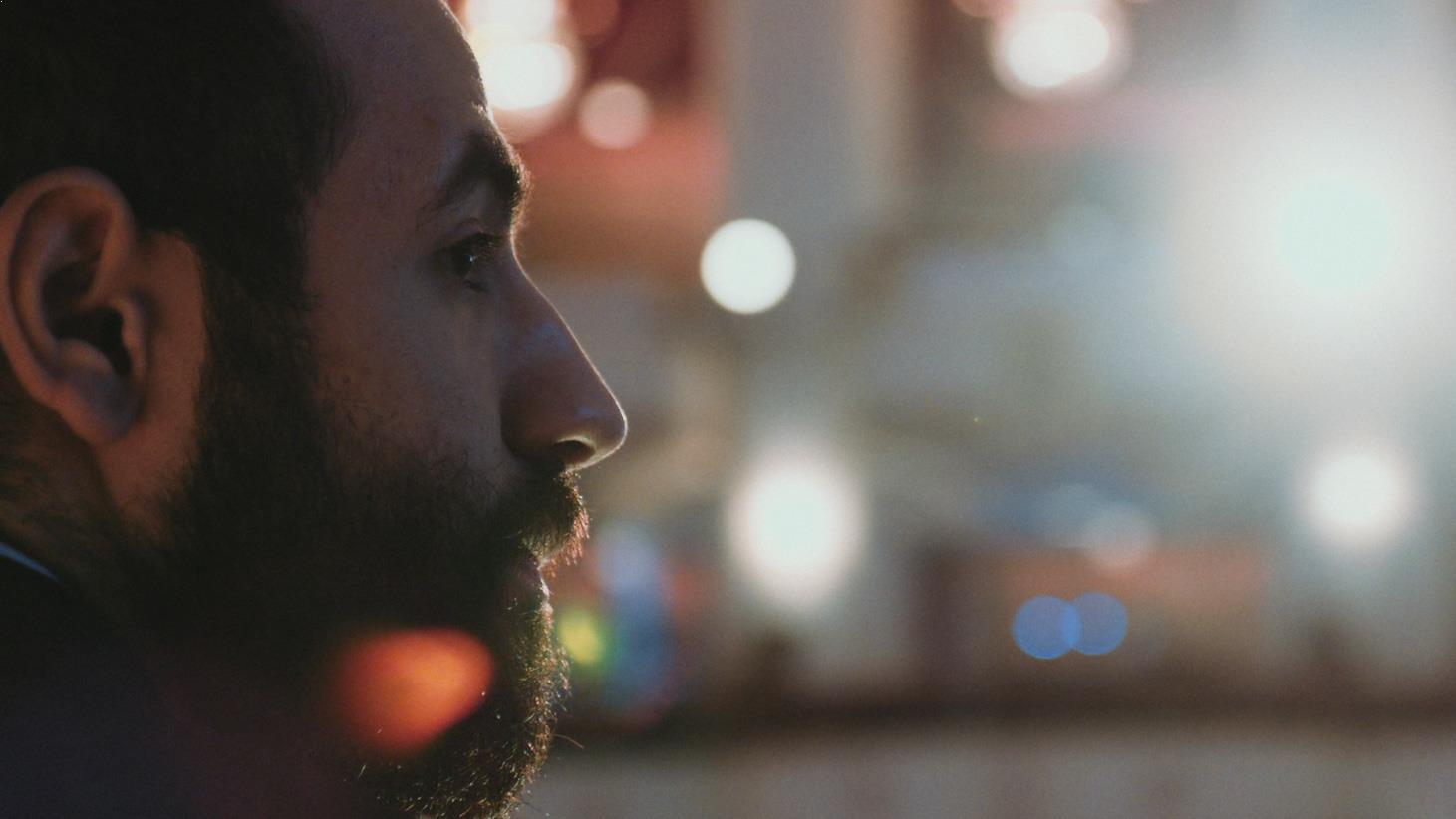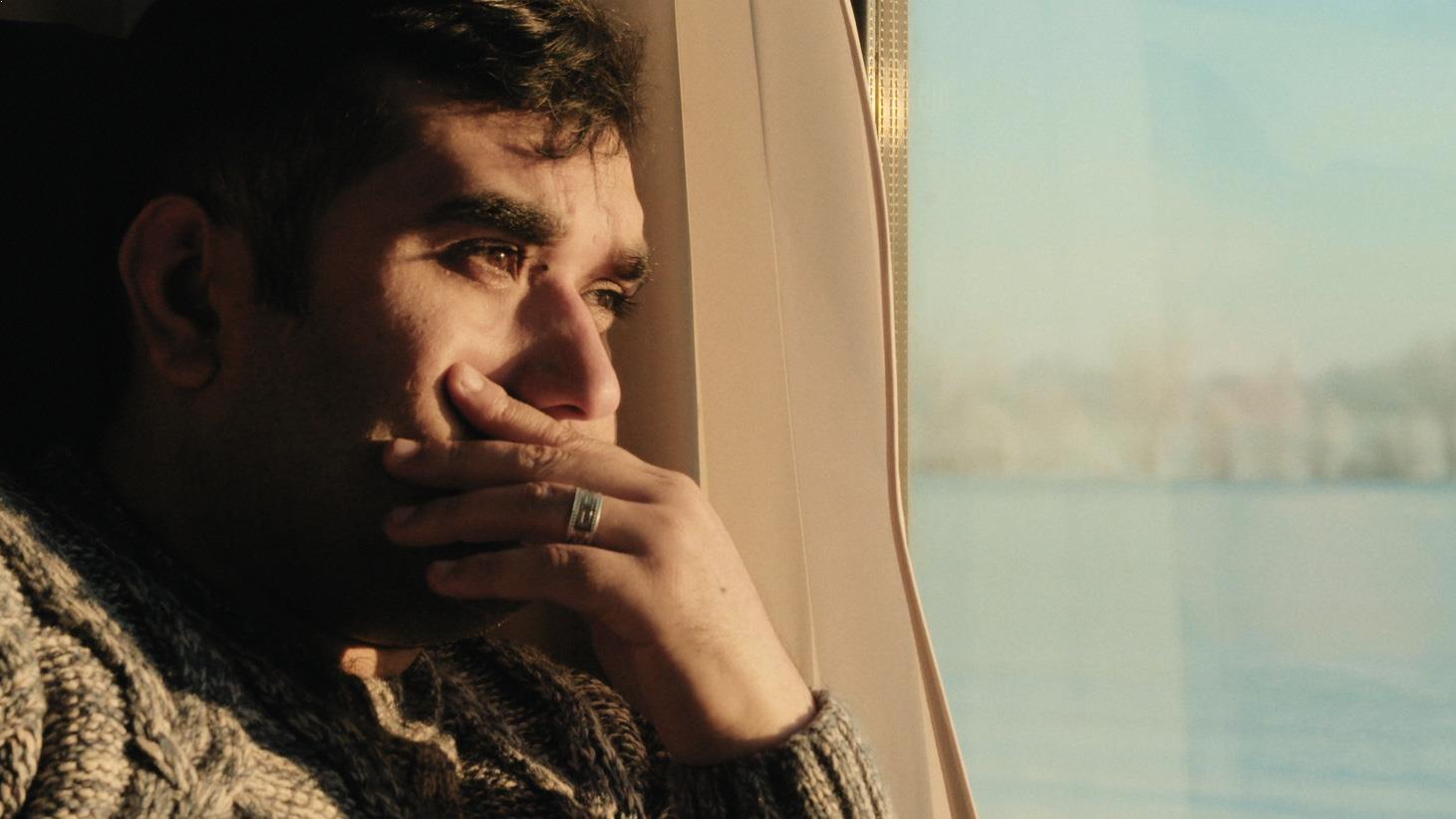




Directed, produced, and filmed by Academy Award–nominated and Emmy–winning filmmaker Matthew Heineman, City of Ghosts is a singularly powerful cinematic experience that is sure to shake audiences to their core as it elevates the canon of one of the most talented documentary filmmakers working today. Captivating in its immediacy, City of Ghosts follows the journey of “Raqqa is Being Slaughtered Silently” – a handful of anonymous activists who banded together after their homeland was taken over by ISIS in 2014. With astonishing, deeply personal access, this is the story of a brave group of citizen journalists as they face the realities of life undercover, on the run, and in exile, risking their lives to stand up against one of the greatest evils in the world today.
To learn more about Raqqa is Being Slaughtered Silently (RBSS), click here:www.raqqa-sl.com/en/

People left her presence calmer and better equipped to handle life’s frictions. Her advice was rarely prescriptive; it came as an offered perspective, paired with an encouraging anecdote and a knowing look. Caring for the house was itself an act of love. Grandmam tended the space with a devotion that treated objects as family members. She polished the silver occasionally, not to show but to preserve. She labeled tin boxes of seeds, folded spare linens with precision, and kept a drawer of small, useful things—thread, safety pins, a pencil with an eraser, a string of spare buttons.
This attention to detail taught a subtle lesson: value what sustains you. In a culture that prizes novelty, Grandmam’s insistence on repair and continuity felt quietly radical. Neighbors stopped by more often than necessary—some for advice, some for sugar or a story. Children learned to measure time in visits: how many sleeps until Grandmam’s jam would be ready, which days the radio played her favorite show. Friends who were exhausted by life found rest simply by sitting in her kitchen and watching her move through familiar tasks.
Her legacy was less about preservation than adaptation: the lessons she embodied were flexible instructions for living kindly and deliberately. Younger relatives translated them into modern forms—texting small check-ins, hosting Zoom calls in the rhythm of her gatherings—but the core impulses remained: attention, repair, patience, and the courage to make small, sustained acts of care. “Mature heaven on earth” is not a claim about perfection. Rather, it names a cultivated condition: a place where age brings depth, not decline; where daily acts become sacred through repetition; where presence matters more than productivity. It’s heaven as a practice—an ethic of tending the small things that make life livable.
Her influence radiated outward. Recipes were copied, stitches learned, and small acts of courtesy—like leaving a note—became family norms. In this way, her everyday practices seeded steadiness across a wider circle. By the time the seasons turned and Grandmam’s steps slowed, the family felt the shape of their dependence and their gratitude. When she passed, the house did not fall silent immediately; her rhythms remained imprinted in drawers and on shelves. People found comfort in continuing her rituals—brewing tea to nine, writing the occasional letter, tending the garden in the same patient way.
7/7/17 – NEW YORK, NY
7/14/17 – Berkeley, CA
7/14/17 – Hollywood, CA
7/14/17 – LOS ANGELES, CA
7/14/17 – SAN FRANCISCO, CA
7/14/17 – WASHINGTON, DC
7/21/17 – CHICAGO, IL
7/21/17 – DENVER, CO
7/21/17 – Encino, CA
7/21/17 – Evanston, IL
7/21/17 – Irvine, CA
7/21/17 – LOS ANGELES, CA
7/21/17 – ORANGE COUNTY, CA
7/21/17 – Pasadena, CA
7/21/17 – PHILADELPHA, PA
7/21/17 – SEATTLE, WA
7/28/17 – ALBANY, NY
7/28/17 – ALBUQUERQUE, NM
7/28/17 – AUSTIN, TX
7/28/17 – CLEVELAND, OH
7/28/17 – DALLAS, TX
7/28/17 – Edina, MN
7/28/17 – INDIANAPOLIS, IN
7/28/17 – Kansas City, MO
7/28/17 – LONG BEACH, CA
7/28/17 – MINNEAPOLIS, MN
7/28/17 – NASHVILLE, TN
7/28/17 – PHOENIX, AZ
7/28/17 – Portland, OR
7/28/17 – Salt Lake City, UT
7/28/17 – Santa Rosa, CA
7/28/17 – Scottsdale, AZ
7/28/17 – Waterville, ME
8/4/17 – Charlotte, NC
8/4/17 – Knoxville, TN
8/4/17 – Louisville, KY
8/18/17 – BURLINGTON, VT
8/18/17 – St. Johnsbury, VT
8/25/17 – Lincoln, NE

Sundance Film Festival 2017
CPH:DOX 2017
DOCVILLE International Documentary Film Festival 2017
Dallas Film Festival 2017
Sarasota Film Festival 2017
Full Frame Documentary Film Festival 2017
San Francisco International Film Festival 2017
Tribeca Film Festival 2017
Hot Docs 2017
Independent Film Festival Boston 2017
Montclair Film Festival 2017
Seattle International Film Festival 2017
Telluride Mountainfilm 2017
Berkshire International Film Festival 2017
Greenwich Film Festival 2017
Sheffield Doc/Fest 2017
Human Rights Watch Film Festival 2017
AFIDOCS 2017
Nantucket Film Festival 2017
Frontline Club 2017

People left her presence calmer and better equipped to handle life’s frictions. Her advice was rarely prescriptive; it came as an offered perspective, paired with an encouraging anecdote and a knowing look. Caring for the house was itself an act of love. Grandmam tended the space with a devotion that treated objects as family members. She polished the silver occasionally, not to show but to preserve. She labeled tin boxes of seeds, folded spare linens with precision, and kept a drawer of small, useful things—thread, safety pins, a pencil with an eraser, a string of spare buttons.
This attention to detail taught a subtle lesson: value what sustains you. In a culture that prizes novelty, Grandmam’s insistence on repair and continuity felt quietly radical. Neighbors stopped by more often than necessary—some for advice, some for sugar or a story. Children learned to measure time in visits: how many sleeps until Grandmam’s jam would be ready, which days the radio played her favorite show. Friends who were exhausted by life found rest simply by sitting in her kitchen and watching her move through familiar tasks.
Her legacy was less about preservation than adaptation: the lessons she embodied were flexible instructions for living kindly and deliberately. Younger relatives translated them into modern forms—texting small check-ins, hosting Zoom calls in the rhythm of her gatherings—but the core impulses remained: attention, repair, patience, and the courage to make small, sustained acts of care. “Mature heaven on earth” is not a claim about perfection. Rather, it names a cultivated condition: a place where age brings depth, not decline; where daily acts become sacred through repetition; where presence matters more than productivity. It’s heaven as a practice—an ethic of tending the small things that make life livable.
Her influence radiated outward. Recipes were copied, stitches learned, and small acts of courtesy—like leaving a note—became family norms. In this way, her everyday practices seeded steadiness across a wider circle. By the time the seasons turned and Grandmam’s steps slowed, the family felt the shape of their dependence and their gratitude. When she passed, the house did not fall silent immediately; her rhythms remained imprinted in drawers and on shelves. People found comfort in continuing her rituals—brewing tea to nine, writing the occasional letter, tending the garden in the same patient way.