Loading...




Design your own castle and crush invading hordes with an impenetrable stronghold. Your kingdom awaits and the battle has just begun!
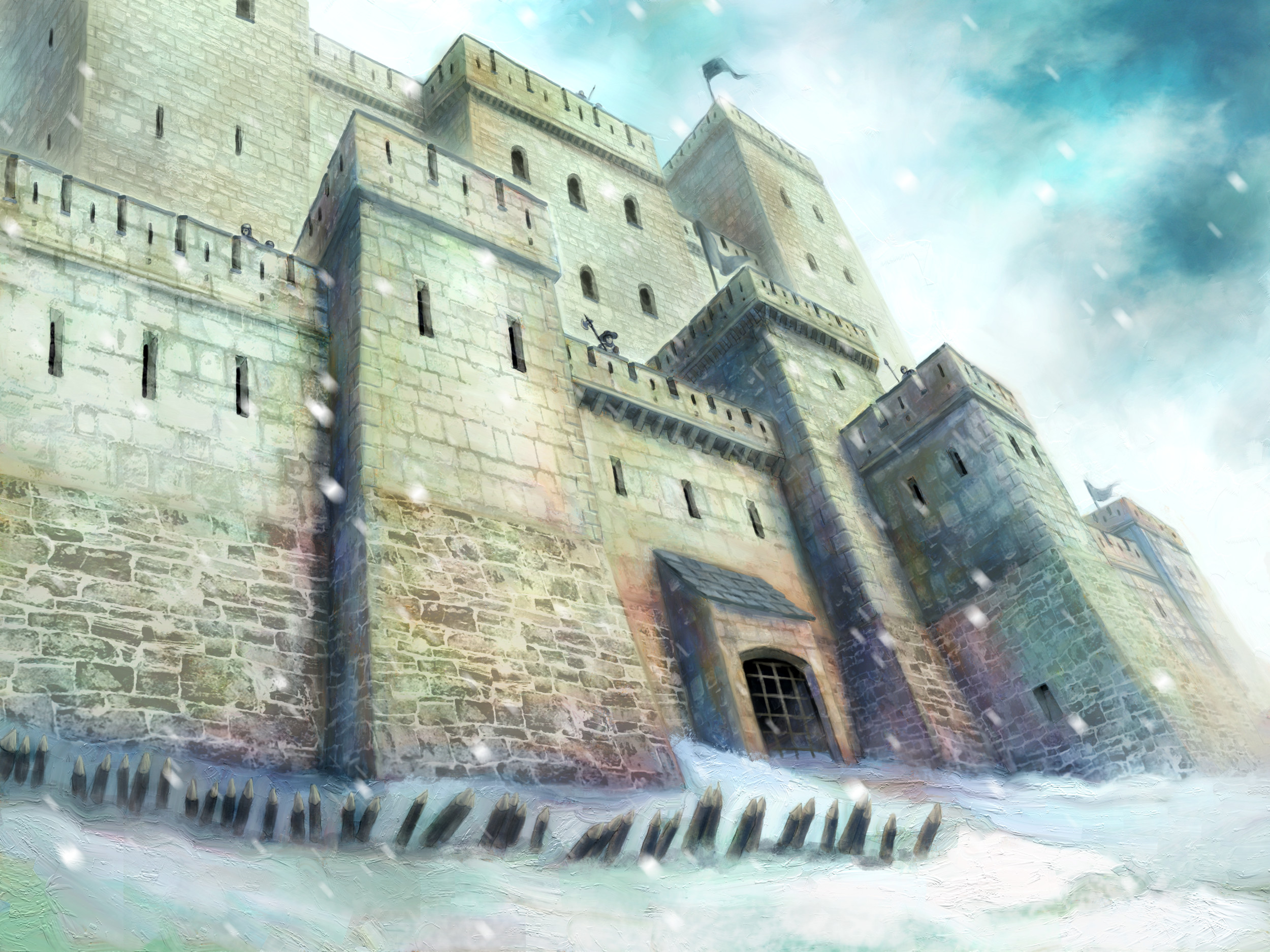

 Build a Medieval Kingdom
Design mighty castles, forge alliances and fight for the throne in Stronghold Kingdoms - an immersive castle MMO with grand strategy, city-building, castle sieges and political mind games.
 Recruit An Army
Rally your troops and battle across the World Map, engaging in real-time, PvP warfare with thousands of players worldwide. Cross-play on PC, Mac, iOS and Android, as you expand your empire and lead your friends to victory.
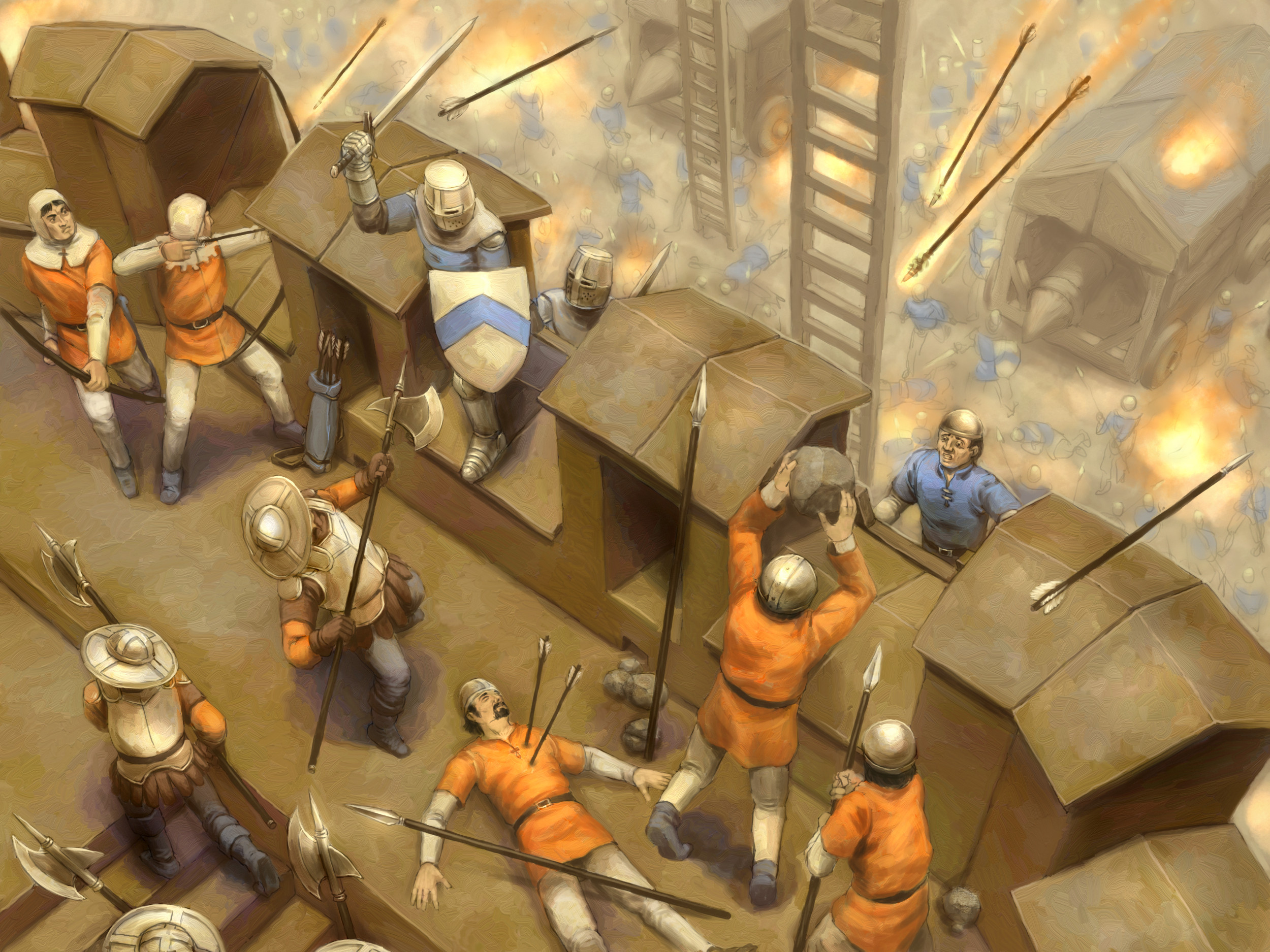

 Rule An Empire
Conquer entire countries as you rise through the ranks and become ruler of your own kingdom. Peaceful diplomat or ruthless warrior? How will you play?
Both narratives fed social fissures. Devotees split: some continued to believe in Devanathan’s ability to perform rites, arguing ritual function could be separate from private failing; others sought a visible act of atonement. Young activists asked for transparent inquiry and digital forensics. Priests and pundits invoked scriptures, karma, and the importance of discipline. For his part, Devanathan chose silence at first. Silence has shape in a small town; it is heard as shame, defiance, or calculation. He retreated to the inner sanctum of the temple, tended the lamp, and answered only when necessary. His family endured jeers and pity in equal measure; his wife was urged by some to leave, while neighbors brought food in quiet solidarity.
Kanchipuram kept weaving: silk, ritual, and rumor together. The temple’s lamps still burn. Devotees still come. And in the quiet corners, the memory of that night remains — a reminder that in an age when private moments can be made public with a single click, the human fabric of trust must be mended with both justice and compassion.
Religious elders convened a council. Some argued for temporary suspension pending a formal inquiry; others demanded an immediate ritual of cleansing to prevent communal scandal. The district police opened a formal complaint after a family member filed a defamation case. The process stalled in bureaucracy and local politics. Word left the town. Newspaper columns debated the incident as a morality tale; online comments lit up with moralizing and speculation. Tourists who came for silk weaving and temples heard the distant hum of controversy. Silk merchants fretted about footfall; festival organizers reconsidered guest lists.
Some argued the recording was evidence of moral failing; others insisted on his humanity, saying all men have complexities beyond the robes they wear. A few raised darker suspicions: that the clip was doctored, a targeted smear intended to dishonor the temple and its traditions. In a town where honor and reputation can decide livelihoods, the stakes were immediate and painful. The temple elders convened in a hush. Devotees whose weddings and child-naming ceremonies depended on Devanathan’s presence fretted. Merchants who relied on festival crowds feared an exodus of patrons. The gurukkal’s own family faced shame in the eyes of neighbors and relatives; some relatives pleaded for privacy, others demanded an investigation.
Devanathan, transformed by the ordeal, began teaching underprivileged children basic literacy and sanskritic recitations — small, steady acts that rebuilt some respect. A subgroup organized workshops on digital literacy and consent, teaching elders how to manage files and young people about the consequences of sharing intimate content. The incident had sown mistrust, but it also catalyzed conversations about privacy, forgiveness, and accountability. Years later, the tale of Devanathan and the MMS lingers like a stain that faded but did not disappear. It is told in different ways: a cautionary tale about the fragility of public life, a lesson about the power and danger of cheap technology, an argument for mercy, or a narrative of downfall and partially redeemed dignity.
If you want, I can expand this into a short story with scenes and dialogue, a timeline of events, or a fictionalized news feature. Which would you prefer?
The cost of exposure went beyond reputation. A temple role carries economic and social responsibilities — students to instruct, ritual fees to collect, networks to maintain. Those frayed as business evaporated, and some families linked to the temple worried for their future. A small group of local tech enthusiasts volunteered to examine the clip. They traced file origins to an unregistered SIM, then to a prepaid phone bought at a distant market. Forensic analysis was inconclusive for a decisive proof of tampering; compression had removed many telling traces. The ambiguity became a weapon: each side took inconclusive results as affirmation of their view.