La Que Se Avecina T1 E1 May 2026

DTF Pro™ has developed a series of software packages to enhance your IColor printing experience. The DTF Pro™ TransferRIP and ProRIP and ProRIP Essentials packages make it simple to produce spot color overprint and underprint in one pass. The Absolute White RIP helps you use an Absolute White Toner Cartridge in a converted CMYK printer, and create 2 pass prints with color and white. The DTF Pro™ SmartCUT suite allows your A4/Letter sized printer to produce tabloid or larger sized transfers! Use one or more with the DTF Pro™ 500, 600 and 800 series of transfer printers.
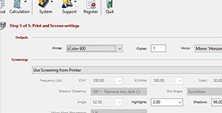
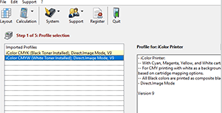
Use the DTF Pro™ ProRIP software to print white as an underprint or overprint in one pass.
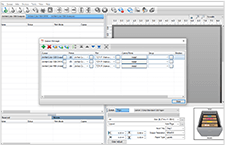
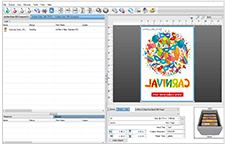
This professional version is designed for higher volume printing with an all new interface. Design files can be printed directly from your favorite graphics program, as well as imported directly into DTF Pro™ ProRIP. la que se avecina t1 e1
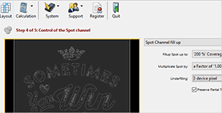
The DTF Pro™ ProRIP software allows the user to control the spot white channel feature. Three cartridge configurations are available: Spot color overprinting, where white is needed as a top color for textiles; Spot color underprinting for printing on dark or transparent media where white is needed as a background color and standard CMYK printing where a spot color is not needed. No need to create additional graphics with different color configurations – the software does it all – and in one pass! Enhance the brilliance of any graphic with white behind color! It was a crisp autumn morning in the
Compatible with Microsoft Windows® 8 / 10 / 11 (x32 & x64) only. This story captures the essence of the characters
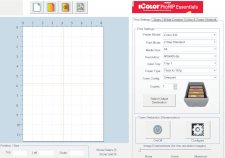
A simplified version of ProRIP which includes all of the most commonly used features of ProRIP with an easy to use interface. This Essentials version simplifies the printing process and allows the user to print efficiently and quickly without any training. All of the important and frequently used aspects of the software are included in this version, while all of the ‘never used’ or confusing aspects of the software are left out.
Comes standard with the IColor®540 and 560 models and is compatible with the IColor 550 as well.
Does not work with IColor 500, 600, 650 or 800 (yet).
Improvements over the ‘Standard’ ProRIP:
It was a crisp autumn morning in the Madrid neighborhood of Chamberí. The residents of Building 33 on Calle San Andrés were going about their daily routines, unaware that their lives were about to get a bit more interesting. The arrival of a new tenant, Laura, who was moving into the apartment on the third floor, was about to stir up a storm.
This story captures the essence of the characters and setting introduced in the first episode of "La que se avecina," focusing on the themes of community, character interactions, and the humorous situations that arise from living in close quarters with such a diverse group of people.
As the day drew to a close, Laura reflected on her first day in the building. She had been warmly, if not a bit oddly, welcomed by her neighbors. Despite the chaos and confusion, she felt a sense of belonging and excitement for the adventures that lay ahead.
Laura, a young and cheerful woman in her late 20s, was excited to start her new life in Madrid. Having just moved from a small town in the countryside, she was looking forward to experiencing city life. As she stepped out of the elevator on the third floor, she was greeted by her neighbor, Emilio, who was struggling to carry his trash cans.
Meanwhile, down in the lobby, Tono, the building's eccentric caretaker, was dealing with a dispute between Señora Rosana and Señora Lola over a parking spot. Tono, known for his witty remarks and neutral stance in resident disputes, managed to diffuse the situation, but not before it escalated into a heated argument.
"La que se avecina" is a popular Spanish television series that premiered in 2013. The show revolves around the lives of the residents of a building in a Madrid neighborhood. Given you're asking about "T1 E1," which translates to Season 1, Episode 1, I'll create a brief story based on the characters and setting of the show, focusing on the pilot episode's themes and character introductions.
Emilio, the self-proclaimed "king of the building," was a bit skeptical about the new tenant. He had grown accustomed to being the center of attention among the residents and wasn't sure he wanted to share the spotlight. As he helped Laura carry her boxes into her apartment, he bombarded her with questions about her background, job, and interests.
The episode progressed with Laura getting to know the rest of the residents, including the charismatic but somewhat shady administrator, Julián. Through various interactions, Laura quickly realized that living in Building 33 would not be dull. The residents were a diverse and lively bunch, each with their quirks, secrets, and stories.
It was a crisp autumn morning in the Madrid neighborhood of Chamberí. The residents of Building 33 on Calle San Andrés were going about their daily routines, unaware that their lives were about to get a bit more interesting. The arrival of a new tenant, Laura, who was moving into the apartment on the third floor, was about to stir up a storm.
This story captures the essence of the characters and setting introduced in the first episode of "La que se avecina," focusing on the themes of community, character interactions, and the humorous situations that arise from living in close quarters with such a diverse group of people.
As the day drew to a close, Laura reflected on her first day in the building. She had been warmly, if not a bit oddly, welcomed by her neighbors. Despite the chaos and confusion, she felt a sense of belonging and excitement for the adventures that lay ahead.
Laura, a young and cheerful woman in her late 20s, was excited to start her new life in Madrid. Having just moved from a small town in the countryside, she was looking forward to experiencing city life. As she stepped out of the elevator on the third floor, she was greeted by her neighbor, Emilio, who was struggling to carry his trash cans.
Meanwhile, down in the lobby, Tono, the building's eccentric caretaker, was dealing with a dispute between Señora Rosana and Señora Lola over a parking spot. Tono, known for his witty remarks and neutral stance in resident disputes, managed to diffuse the situation, but not before it escalated into a heated argument.
"La que se avecina" is a popular Spanish television series that premiered in 2013. The show revolves around the lives of the residents of a building in a Madrid neighborhood. Given you're asking about "T1 E1," which translates to Season 1, Episode 1, I'll create a brief story based on the characters and setting of the show, focusing on the pilot episode's themes and character introductions.
Emilio, the self-proclaimed "king of the building," was a bit skeptical about the new tenant. He had grown accustomed to being the center of attention among the residents and wasn't sure he wanted to share the spotlight. As he helped Laura carry her boxes into her apartment, he bombarded her with questions about her background, job, and interests.
The episode progressed with Laura getting to know the rest of the residents, including the charismatic but somewhat shady administrator, Julián. Through various interactions, Laura quickly realized that living in Building 33 would not be dull. The residents were a diverse and lively bunch, each with their quirks, secrets, and stories.
Use the DTF Pro™ TransferRIP software to print white as an underprint or overprint in one pass.
Designed for every day, short to mid run use, the DTF Pro™ TransferRIP software allows the user to control the spot white channel feature. Two cartridge configurations are available: White overprint, where white is needed as a top color for textiles; and white underprint for printing on dark or transparent media where white is needed a round color. No need to create additional graphics with different color configurations – the software does it all – and in one pass! Enhance the brilliance of any graphic with white behind color!
Compatible with Microsoft Windows 7 / 8 / 10 (x32 & x64) only.