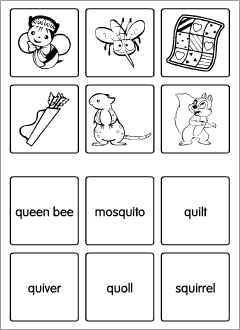

I am Queen Bee.
And this is the letter Q.
Click on me to hear the sound.
Interoperability is quieter but broader. IFC and open formats slip through like translators who know the local idioms. Data exchanges feel less like technical feats and more like manners — civil, dependable. Fabrication data emerges with a craftsperson’s respect: shop drawings that don’t need heroic cleanup, CNC-ready geometry that preserves intent and tolerances.
Revit 2027 doesn’t promise to replace intuition; it amplifies it. It doesn’t automate authorship away, but it lightens the chores around making meaning. Open a model, and you don’t just see geometry and data; you see a conversation — between program and program, between team members, and between designer and idea. It’s a workspace that remembers you’re trying to make places for people, not just assemblies for construction. revit 2027
And then there’s the small, human stuff: a change log that reads like a designer’s notebook, tooltips that explain why a suggestion matters, error messages that don’t condescend. The whole product smells faintly of craft — not the sterile gleam of novelty but the warm patina of iterative care. Interoperability is quieter but broader
In the end, the release reads less like a version number and more like a new way of listening. The city of lines on your screen becomes a living draft, responsive, generous, and ready to be made real. Open a model, and you don’t just see
The cloud is woven into the tool like a second hand — present and practical but not conspicuous. Collaboration loses its awkwardness: versions reconcile with a diplomatic patience, multiple disciplines converge in a shared space that is less a battleground of files and more a common studio. Issue-tracking lives inside the model; comments anchor to geometry, to design intent, to decisions that used to drown in email threads. When consultants touch the model, their edits arrive with provenance and explanations, like handwritten annotations in a bound sketchbook.